
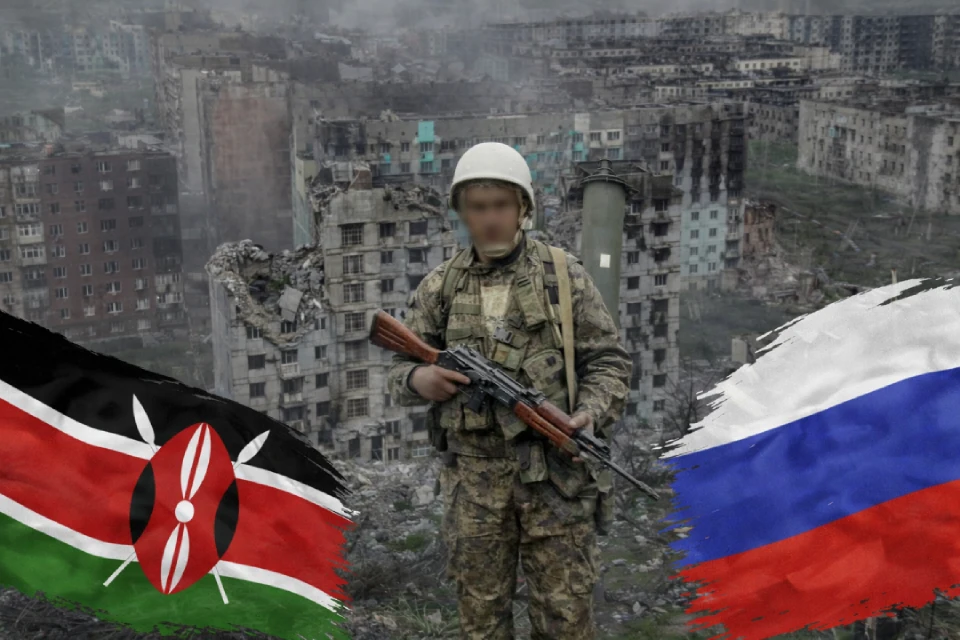
A Kenyan intelligence report presented to parliament exposes a recruitment network that tricked more than a thousand citizens into joining Russia’s war—five times more than previously estimated.
More than 1,000 Kenyans have been recruited to fight on Russia’s side in Ukraine, according to a Reuters report citing a Kenyan intelligence document presented to lawmakers on Wednesday. The figure is five times higher than the roughly 200 that Kenyan authorities had acknowledged just three months earlier, and it paints a disturbing picture of how Moscow has been reaching deep into East Africa to fill its frontline ranks.
Majority Leader Kimani Ichung’wah read the report from Kenya’s National Intelligence Service to parliament. It describes a sprawling network in which recruitment agencies, rogue government employees, and embassy staff allegedly worked together to funnel young Kenyans into a war they never signed up for.
Promised paychecks, delivered a warzone
The scheme, as laid out in the intelligence report, followed a grim pattern. Recruiters targeted former soldiers, ex-police officers, and unemployed men across Kenya. They dangled salaries of around 350,000 Kenyan shillings (roughly $2,715) per month, with bonuses that could reach 1.2 million shillings ($9,309). The jobs they were promised—electricians, plumbers, bodyguards—sounded real enough.
The reality was far different. Recruits who have since returned to Kenya say they signed contracts written entirely in Russian, a language none of them understood. They received almost no military training and were sent straight to the front lines.
As of February 2026, the intelligence report puts 89 Kenyans on the active frontline in Ukraine, 39 hospitalized, and 28 missing in action. At least one has been confirmed dead. Others have returned home, and dozens of families have been pleading with the government recently to bring back loved ones who are stranded in Russia or held as prisoners of war in Ukraine.
A trail through Turkey and the UAE
The recruitment pipeline didn’t run in a straight line. According to the report, enlisted Kenyans initially left the country on tourist visas and traveled to Russia via Turkey or the United Arab Emirates. When Kenyan authorities tightened surveillance at Nairobi’s airport, the routes shifted—recruits began transiting through Uganda, South Africa, and the Democratic Republic of Congo.
Ichung’wah accused recruitment agencies of colluding with “rogue airport staff,” immigration officers, and other state officials to get recruits out of the country. The intelligence report also alleges that staff at the Russian Embassy in Nairobi and at Kenya’s own embassy in Moscow played a role in facilitating the travel.
He warned that any Kenyan officials found to have been involved in the scheme would be held accountable.
Moscow denies, but leaves a door open
The Russian Embassy in Nairobi pushed back on the allegations in a statement issued on Thursday. It said Russia’s government “has never engaged in illegal recruitment of Kenyan citizens in the Armed Forces of the Russian Federation” and that it had never issued visas to anyone who stated they intended to fight in Ukraine.
But the embassy’s statement included a notable caveat: “the Russian Federation does not preclude citizens of foreign countries from voluntarily enlisting in the armed forces.” That line sits uneasily next to the accounts of men who say they were deceived into signing military contracts they couldn’t read.
A problem far bigger than Kenya
Kenya is not the only African country caught up in Russia’s recruitment drive. In November 2025, Ukraine reported that some 1,400 citizens from three dozen African nations were fighting alongside Russian forces, many of them recruited under false pretences. Reports of men from Uganda, South Africa, and other countries being lured to Russia with job offers that turned out to be military contracts have grown more frequent recently.
Just this week, four South Africans who had been trapped in Ukraine’s Donbas region returned home. They were part of a group of 17 who had sent distress calls to their government last year.
Kenya’s Foreign Minister Musalia Mudavadi has said he plans to visit Moscow next month to address the issue directly. The government has already managed to bring back 27 stranded citizens, and two recruiters were arrested last year—though both were released on bail and are awaiting trial.
The Kenyan government has publicly condemned the use of its citizens “as cannon fodder.” Whether that anger translates into concrete action—and whether Moscow faces any real consequences for the recruitment pipeline—remains to be seen.
