
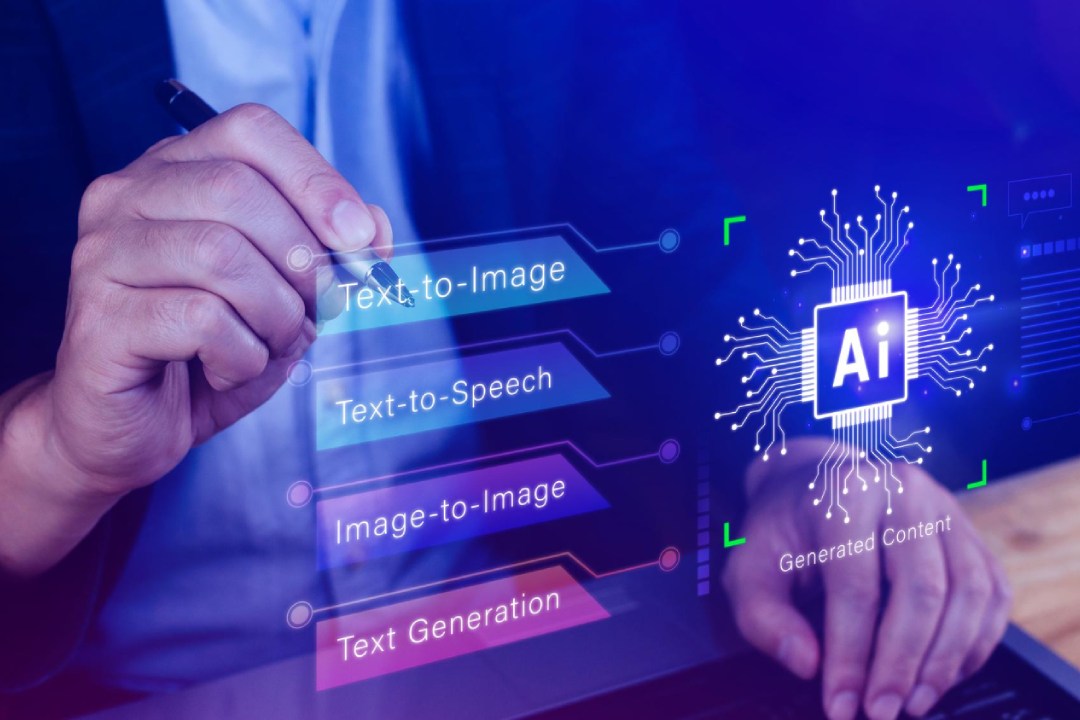
The search for the best AI image generator usually starts with curiosity and ends with uncomfortable questions. These systems can turn text into images in seconds, stunning, strange, and sometimes unsettling.
They feel creative, yet mechanical; empowering, yet oddly hollow. Understanding what they do well, where they fail, and why ethics matter is now essential for businesses, creators, and analysts alike.
What is the best AI image generator, and what does “best” even mean?
When people ask what the best AI image generator is, they are rarely asking a technical question. They are asking what balance works for them. Speed versus control. Realism versus style. Cost versus rights. The truth is that “best” depends on intent.
Some platforms prioritise photorealism; others lean into artistic abstraction. Commercial users often care about licensing and reproducibility, while hobbyists chase novelty. The best image generation AI is therefore not universal; it is contextual. And context changes fast.
Best text-to-image AI: how the engines actually work
At a high level, the best text-to-image AI systems rely on large diffusion or transformer-based models trained on vast image-text pairs. They learn patterns, not meaning. When you type a prompt, the model predicts what pixels should statistically follow those words.
This explains both the magic and the flaws. These systems can synthesise styles and concepts convincingly, yet they struggle with logic, hands, text, and cultural nuance. The output feels intelligent, but it is closer to probabilistic collage than imagination. That gap matters, especially when images are used to persuade or document.
Best free AI image generators: power without a price tag
The rise of the best free AI image generator options has accelerated adoption dramatically. Free tiers lower the barrier to experimentation and make image generation feel casual, almost disposable. This is both liberating and risky.
Free tools often come with limitations: lower resolution, slower queues, restricted styles, or unclear usage rights. For businesses, these constraints can quietly become liabilities. A free AI art generator may be perfect for ideation but unsuitable for branded or sensitive contexts. The line between experimentation and production is easy to blur.
Leading platforms, strengths and trade-offs
Several platforms dominate discussions around the best AI picture generator. Each reflects different design choices and values.
- OpenAI offers image generation tightly integrated with language models, strong safety controls, and broad accessibility, but with stylistic constraints that some users find limiting.
- Midjourney is known for striking aesthetics and artistic flair, though its outputs can feel opinionated and less predictable.
- Stability AI focuses on open models and flexibility, enabling experimentation, customisation, and deployment, alongside higher responsibility for users.
None of these platforms is neutral. Each encodes assumptions about creativity, ownership, and risk.
Ethical fault lines, bias, ownership, and misuse
The ethical debate around the best image generator AI is no longer theoretical. Training data often includes copyrighted or culturally sensitive material. Artists question consent. Organisations worry about brand safety. Meanwhile, synthetic images are increasingly used in misinformation, impersonation, and propaganda.
Bias is another fault line. AI image generators reflect the data they were trained on, reproducing stereotypes unless actively corrected. In sensitive domains, such as health, politics, and conflict, these biases can distort perception and cause harm. Regulation is emerging but uneven and often reactive.
Limits you cannot ignore
Despite rapid progress, AI image generators have hard limits. They do not understand truth. They cannot verify events. They cannot be witnesses. Treating generated images as evidence, or even as neutral illustration, carries real risk.
There is also creative fatigue. As AI-generated visuals flood feeds, novelty fades. The same styles repeat. Ironically, human imperfection is becoming valuable again. The best use of these tools often involves restraint, not maximal output.
If your organisation is exploring AI image generation for marketing, research, or communication, get in touch with us to assess platforms, risks, and governance before scaling adoption.
Frequently asked questions
What is the best AI image generator for business use?
The best choice depends on licensing, control, and integration needs rather than raw visual quality.
Are free AI image generators safe to use commercially?
Some are, but many free tools have unclear usage rights and limitations.
Can AI image generators create original art?
They generate new combinations of learnt patterns, not original intent or understanding.
Do AI image generators have bias?
Yes, they often reflect biases present in their training data unless mitigated.
Will AI replace human designers?
AI will change design workflows, but human judgement and creativity remain essential.